
Table of Contents
Choosing between soft enamel, hard enamel, or die struck challenge coins without color is not just about appearance. The right choice depends on your artwork style, budget, plating finish, color requirements, whether you need 2D or 3D details, and how the coins will actually be used.
For example, a military challenge coin with antique bronze or antique plating may work better with soft enamel or a die struck finish. In contrast, a polished corporate logo challenge coin may look cleaner and more refined with hard enamel.
From a real production perspective, VeperPins will compare these different processes to help you choose the most suitable surface finish and effect before ordering custom challenge coins.
Soft Enamel Challenge Coins
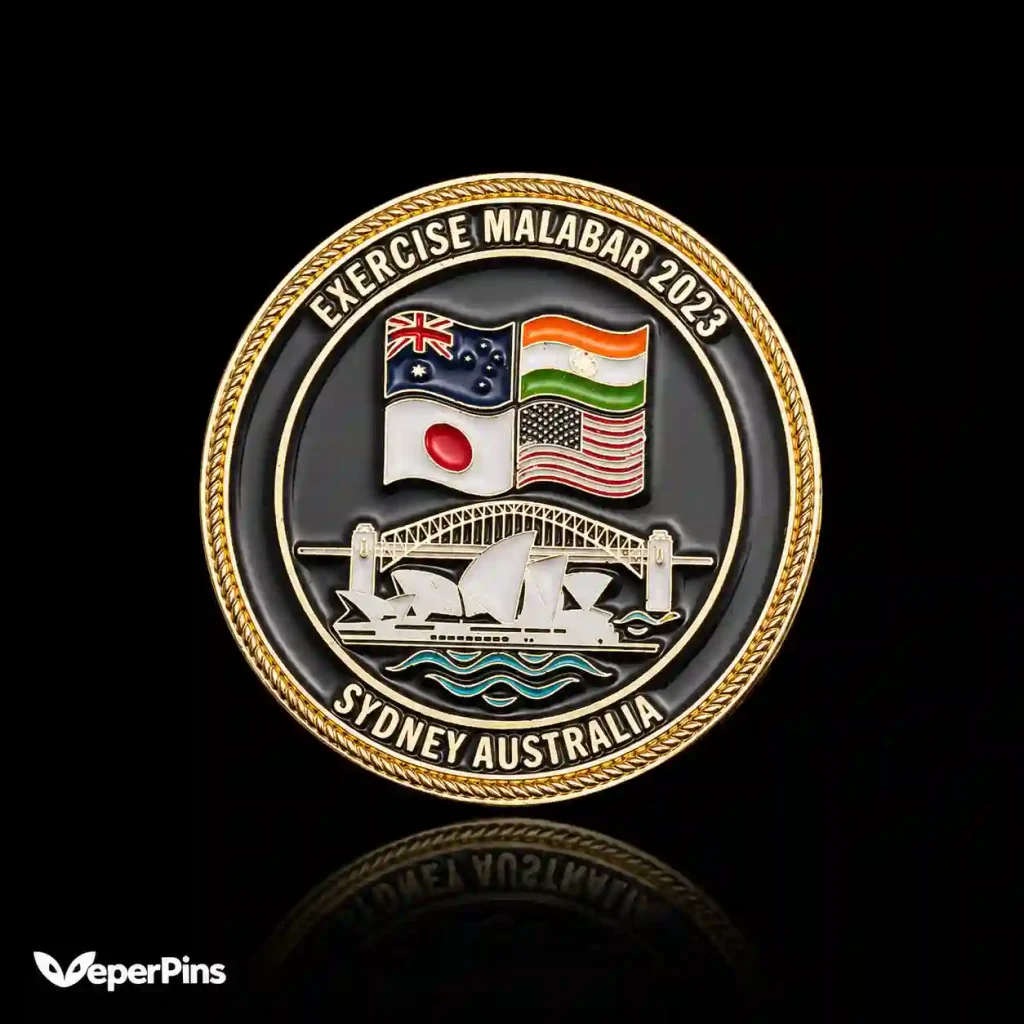
What Are Soft Enamel Coins?
Custom soft enamel challenge coins are metal coins filled with colored enamel in the recessed areas of the design. Their most distinctive feature is the raised metal lines and lower enamel color areas, which create a noticeable textured feel when touched.
During production, we first create a custom metal mold based on your artwork. The design is then stamped or cast into the coin surface, forming raised outlines, borders, and recessed areas for color. The enamel colors are filled into these recessed sections and baked to harden. After cooling, the coin is polished to remove excess enamel and bring out the raised metal details more clearly.
Appearance
Soft enamel challenge coins have a rich, dimensional look. The raised metal lines separate each enamel color area, giving the design strong definition and depth. Compared with flat printed coins, soft enamel coins feel more metallic, more detailed, and more premium in hand.
The enamel colors are usually bright and eye-catching, while the raised metal areas can be finished in gold, silver, antique bronze, antique silver, black nickel, or other plating options. Different combinations of plating and enamel colors can create a vintage, formal, refined, or high-contrast appearance.
Durability and Common Uses
Soft enamel challenge coins are decorative, meaningful, and durable enough for most commemorative uses. However, because the colored enamel sits slightly lower than the raised metal surface, it is not completely smooth like hard enamel. Over time, frequent rubbing or impact may cause light scratches or wear on the enamel areas.
Even so, soft enamel remains one of the most popular choices for custom challenge coins. It is especially suitable for military coins, police coins, firefighter coins, corporate event coins, sports awards, promotional gifts, and collectible coins.
For designs that need vivid colors, clear metal outlines, and a strong dimensional effect, soft enamel is a practical and cost-effective option.
Hard Enamel Challenge Coins
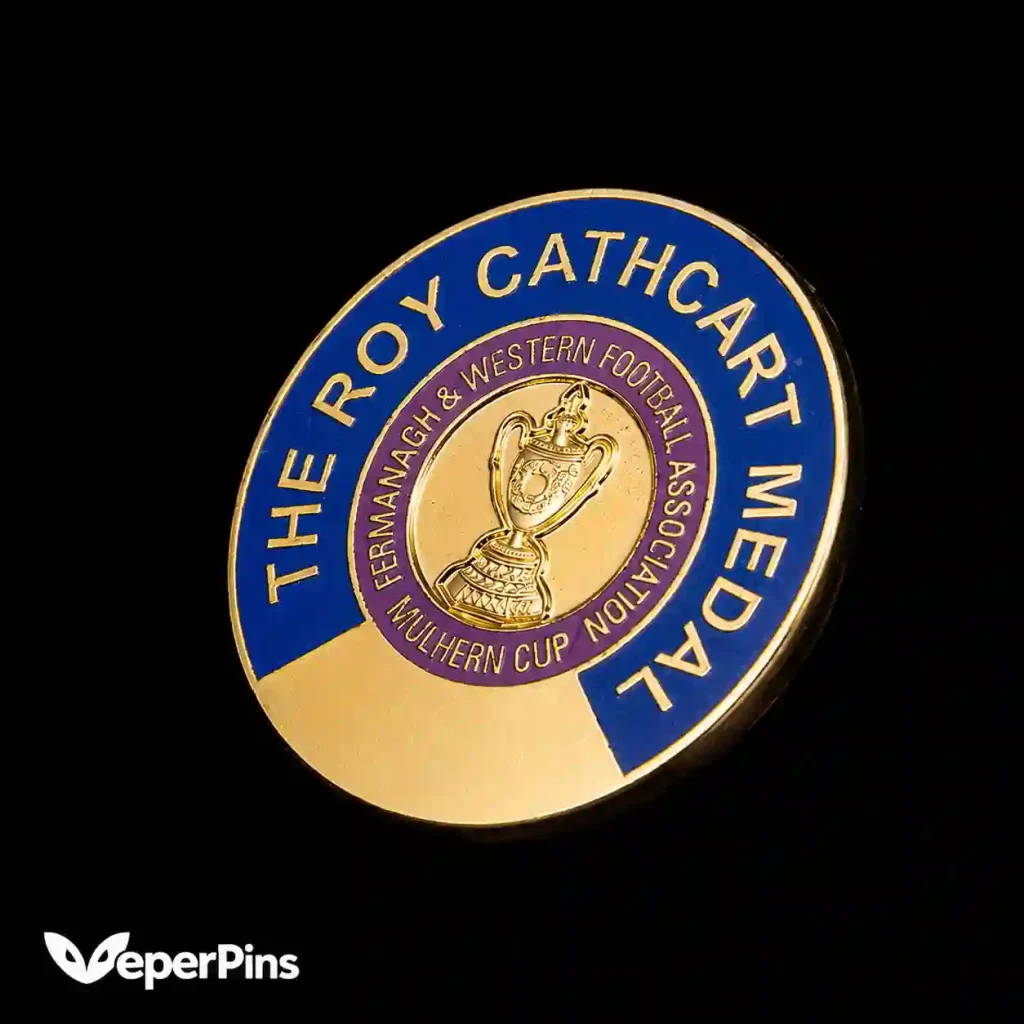
What Are Hard Enamel Coins?
The base production process of hard enamel coins is similar to that of soft enamel coins, but because of the special properties of hard enamel material, the coloring and finishing steps are different. During production, a metal mold is first used to die-cast or stamp the coin design and raised outlines. Then, the enamel colors are filled into the recessed areas in separate batches, with each layer requiring high-temperature baking and curing. After that, the uneven enamel and metal line areas are ground and polished, so the color areas and metal lines are basically level with each other.
Appearance
Hard enamel coins usually have a smooth, flat, clean, and formal appearance. Their colors are rich, warm, and refined, while the clear metal lines help define logos, text, emblem designs, and commemorative elements. This makes the entire coin look more delicate, polished, and premium.
Durability and Uses
Hard enamel coins are durable because the colors are not printed on the surface, but filled into recessed metal areas and then baked at high temperatures, ground, and polished. After curing, the enamel becomes harder and more secure, and the color areas are nearly flush with the metal lines, making them less likely to peel, fade, or wear off.
This process is ideal for designs with clear lines and well-defined color sections, and is often used for premium commemorative pieces, corporate gifts, collector items, and branded merchandise.
In addition, many customers choose to add a clear epoxy coating to the surface. This creates a smooth, rounded protective layer that improves the hand feel while further protecting the enamel colors from scratches and daily wear. It is a good option for products intended for long-term collection, display, or gift giving.
Die Struck Challenge Coins
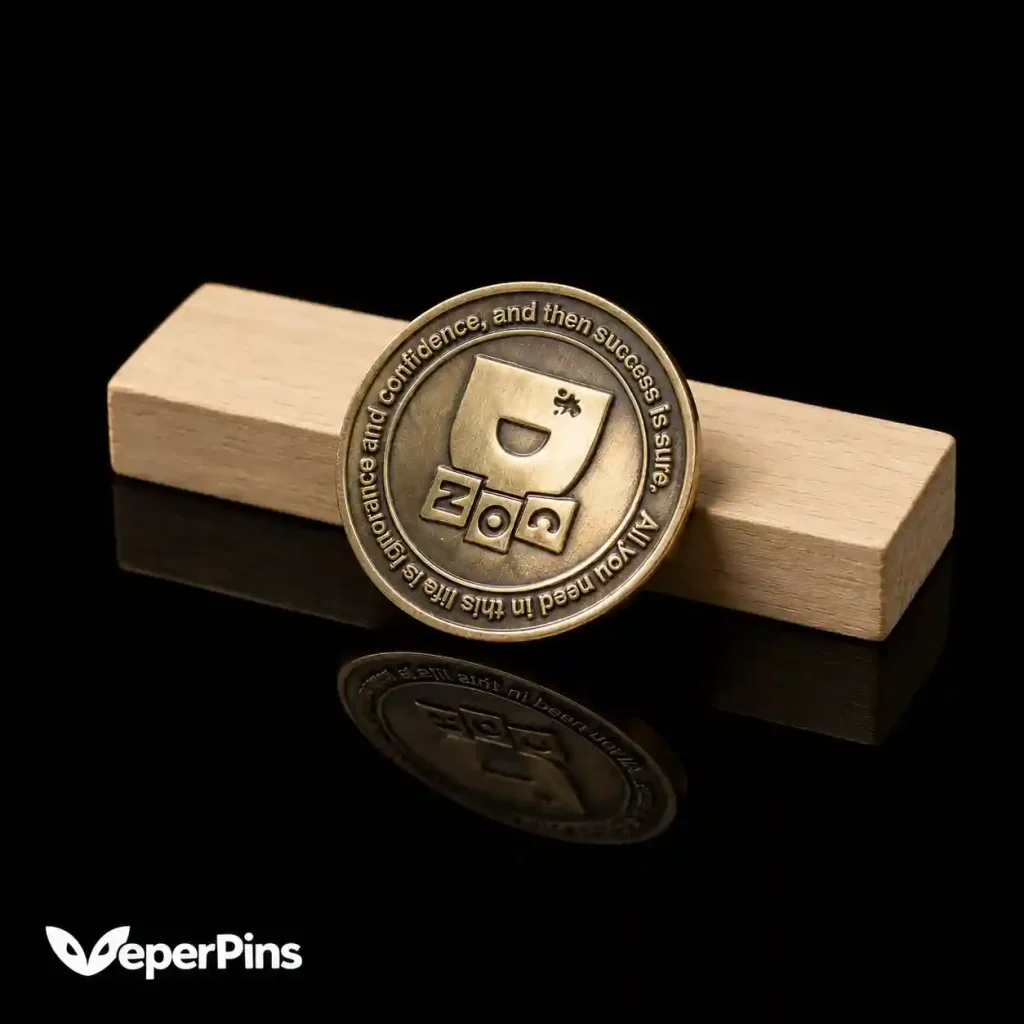
What Are Die Struck Challenge Coins?
Die struck challenge coins are custom coins made primarily through a metal stamping or striking process. During production, a metal mold is first created based on the design. Then, high pressure is used to stamp or press the artwork, text, borders, and emblem details into the metal coin blank, creating raised and recessed areas.
Instead of relying on colored enamel or UV printing, die struck coins use the natural relief of the metal, polished surfaces, sandblasted backgrounds, and different plating finishes to present the design details.
Appearance
Die struck coins are made up of clearly raised metal areas and recessed sections, giving them a strong metallic look and feel. Since they do not include enamel or UV color filling, their overall appearance is more vintage, classic, and formal.
Many customers choose to combine this type of coin with 3D sculpting, high-relief details, or antique gold, antique silver, antique copper, and other vintage plating finishes. These options help make emblems, shields, portraits, buildings, commemorative text, and other important elements stand out more clearly, while giving the entire coin a stronger sense of value, depth, and collectability.
Durability and Uses
Die struck coins usually have excellent design durability because the artwork is directly stamped into the metal surface. They do not depend on enamel colors or printed graphics, so there is no need to worry about color peeling, fading, or wearing off.
However, if the coin is kept in a humid environment for a long time, or if the plating is heavily worn, oxidation, discoloration, or rust spots may still appear. For this reason, proper packaging and storage are recommended.
Die struck challenge coins are often chosen by military units, police departments, fire departments, companies, artists, and collectors. Military and law enforcement groups can use them to present badges, shields, and high-relief emblems, while artists and collectors can use the die struck process to showcase detailed metal layers, sculpted textures, and commemorative designs with a stronger sense of value.
Which Coin-Making Process Is Right for You?
To help you understand which process is the best fit for your custom coin project, we have divided the options into a few simple categories:
1. Start with Your Artwork
You can begin by looking at your design. If your artwork has many metal lines and multiple colors, soft enamel coins are usually a better choice.
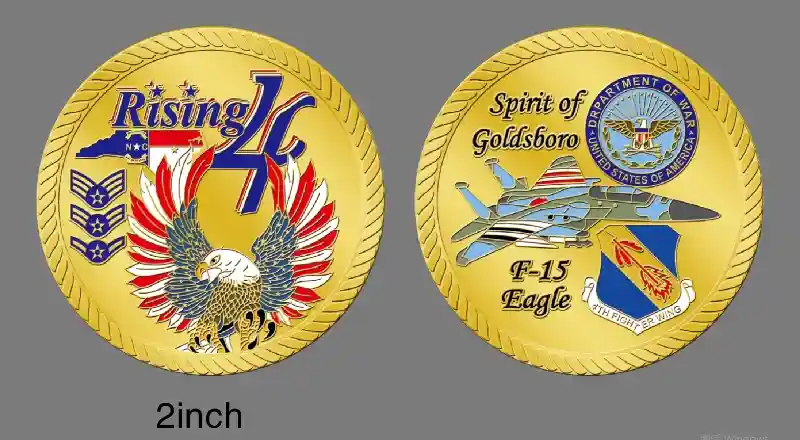
As you can see in the example above, the eagle on the front and the airplane on the back include many metal outlines and color areas. For this type of detailed design, soft enamel coloring is the most suitable option.
If your artwork has fewer colors and cleaner lines, you can consider hard enamel coins.
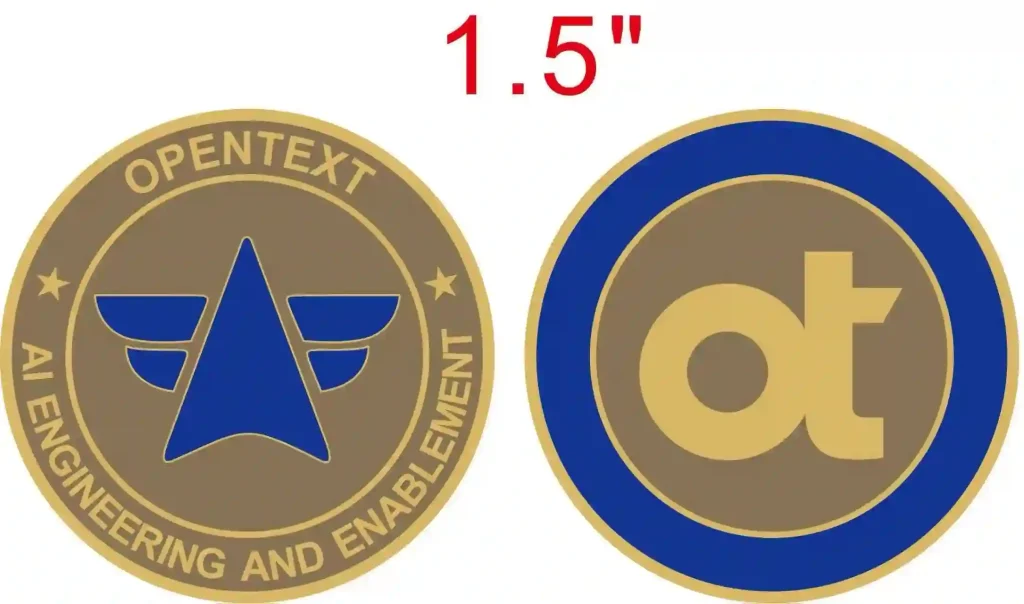
In the example above, only the front logo and the outer ring on the back require color. Since the overall design is simple and clean, hard enamel helps create a smoother surface and a more refined finish.
If your design includes many fine details, such as complex or very thin lines, the die struck process may be a better option.
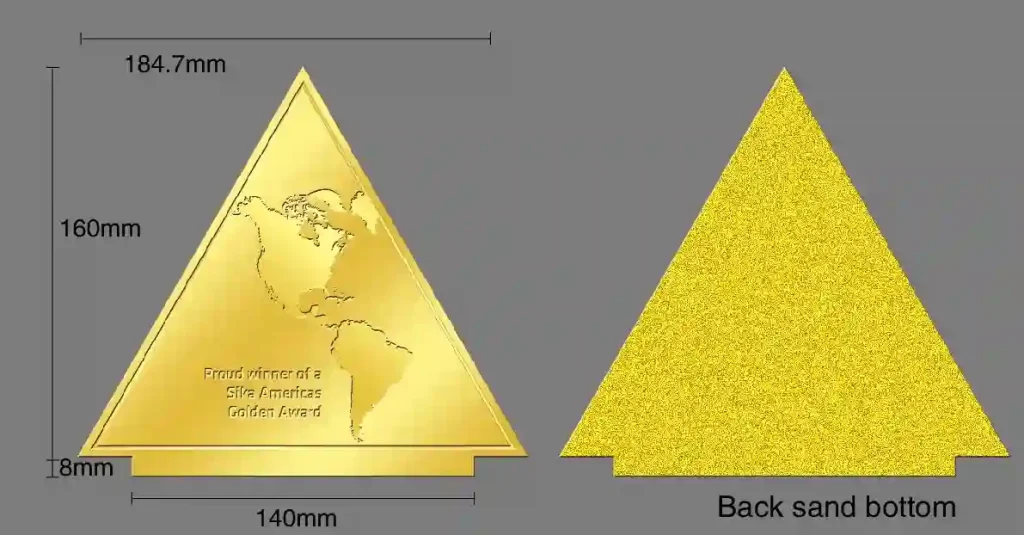
For example, on the front side of this large-size coin, the map area is recessed. Because the lines are very fine, a die struck finish can show the details more clearly without relying on enamel colors.
2. Based on Your Budget
Different processes come with different costs. If you have a higher budget and want a smoother surface with a more premium look, hard enamel is a good choice. If you want to control costs, soft enamel is more practical. It still allows you to keep rich colors, but at a more budget-friendly price. Die struck coins rely mainly on metal relief and plating to show the design, without color filling, making them a good option for customers who prefer a classic metallic style.
3. Based on Usage
Different uses may also call for different processes. For corporate orders, we usually recommend hard enamel or soft enamel, because both can better display logos, brand colors, text, and event details. They are great for client gifts, employee rewards, and branded merchandise.
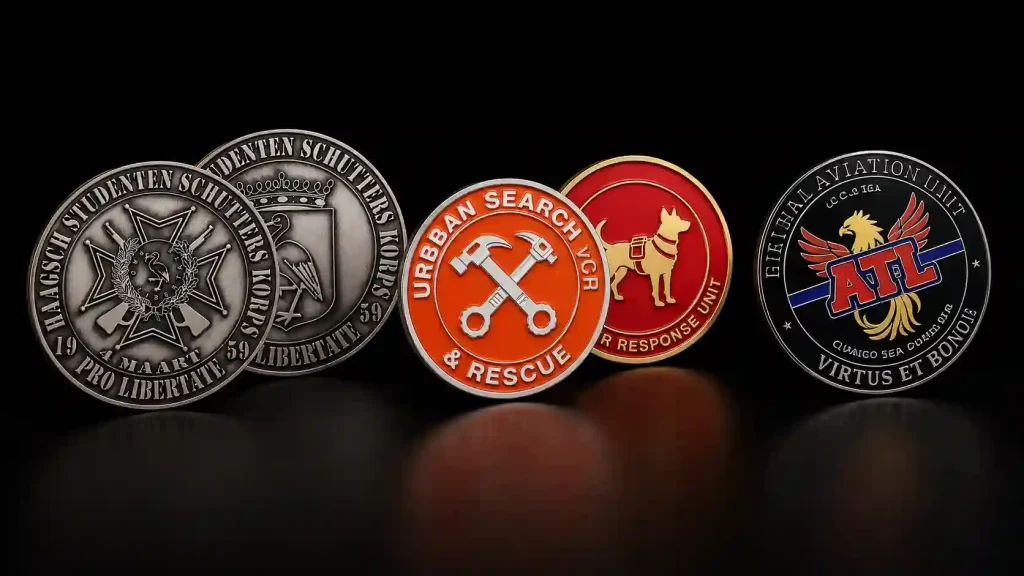
For military, police, fire department, and similar projects, die struck coins are often a strong choice. This process has a more solid metallic feel and works well for badges, shields, commemorative text, and formal designs with a classic appearance.
Need Help Choosing the Right Challenge Coin Finish?
Not sure whether soft enamel, hard enamel, or die struck challenge coins are best for your design? Send us your artwork, logo, or idea, and our team will help you choose the right finish based on your budget, design details, plating, size, and intended use.
If you are still planning your overall coin design, you can also read our complete guide to custom challenge coins for more tips on coin size, plating options, 2D vs 3D artwork, edge styles, packaging, and the full custom production process.


